


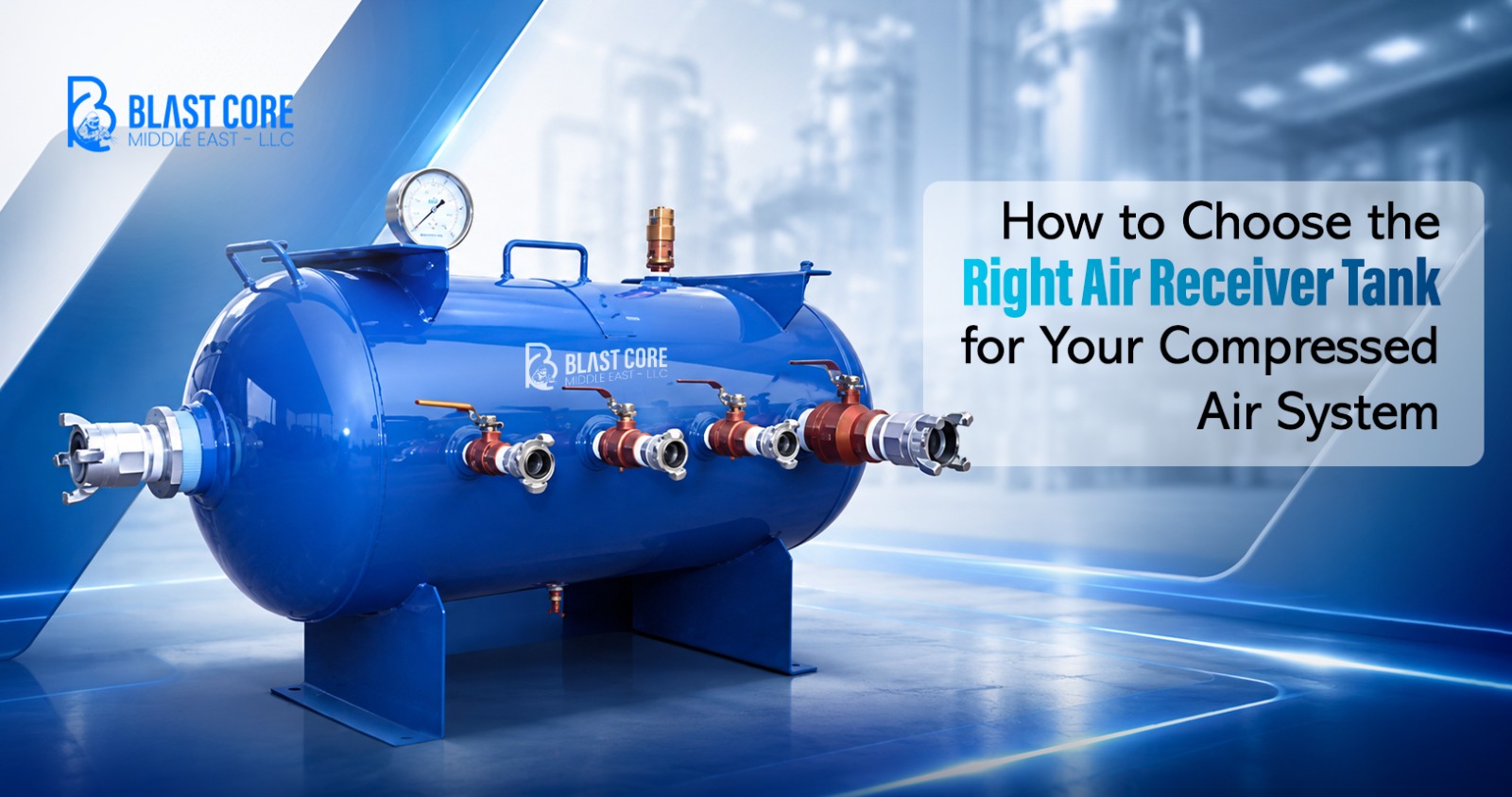
The efficiency of a compressed air system is directly dependent on the components that are supporting it. One of the most important components in it is the industrial air receiver tank. It is like a storage vessel that balances the demand for air, reduces fluctuation in pressure, and improves the overall performance of the compressor system. It's important to choose the right tank, as it can help extend the service life of the equipment, lower energy consumption, and make sure that there is a stable air supply for the needed operations. Whether it's a manufacturing plant, processing facility, workshop, etc., a suitable air receiver tank is necessary to support long-term dependability.
Understand the Purpose of an Air Receiver Tank
It's important to know the role of a tank in a compressed air system before choosing one. An air receiver tank stores compressed air and supplies it in moments when the demand is higher than the output of the compressor. This allows moisture to condense before it reaches the downstream equipment. Some of the notable advantages are the following:
- Maintaining stable air pressure
- Reducing compressor cycling
- Lowering energy consumption
- Improving moisture separation
- Supporting peak air demand without overloading the compressor
A perfectly sized receiver tank will keep the whole compressed air system operating in a more efficient manner.
Choose the Right Tank Capacity
The size of the tank is a very important aspect to think about. A very small tank will struggle with meeting the demands, while an oversized one will create excessive installation costs without adding any value. When selecting capacity, consider the following:
- Compressor output (CFM)
- Operating pressure
- Peak air consumption
- Production schedules
- Future system expansion
Facilities that deal with changing air usage will greatly benefit from larger storage capacity, while systems with consistent demand can do with a smaller tank.
Consider Operating Pressure
Every air receiver tank is designed in a way to handle maximum working pressure. Always make sure that the pressure rating of the tank is the same as or more than the compressor's highest operating pressure.
If a tank of an inadequate pressure rating is used, it can affect the safety levels as well as reduce the lifespan of the equipment. It is advised to choose the accurate pressure specifications to receive the best system performance even in demanding operations.
Select the Right Material
Carbon steel or stainless steel are the most common materials used to manufacture air receiver tanks. Carbon steel tanks are suitable for industrial applications where dry compressed air is used, while stainless steel tanks are preferred for industries that need clean air, like food processing, medical products, and pharmaceuticals, as they are more resistant to corrosion.
The environmental impact must also be a factor while selecting the material, especially if the tank is to be installed outdoors or in humid conditions.
Decide Between Vertical and Horizontal Designs
The area of installation is key in determining the type of tank configuration.
Vertical tanks:
- Occupy less floor space
- Offer better moisture drainage
- Are commonly used in industrial facilities
Horizontal tanks:
- Suitable for installations with height restrictions
- Easier to transport in certain applications
- Often used in mobile or compact systems
Choose the needed orientation to make installation and maintenance an easy process.
Look for Quality and Safety Certifications
An air receiver tank mostly operates under high pressure. This makes quality and safety very important. When checking out the systems from an air receiver tank supplier, go for tanks that are in compliance with recognized pressure vessel standards and certifications. Features such as a strong body, great welding, anti-corrosion coating, and pressure testing make the operation safer and more dependable.
Improve Efficiency With The Right Tank
Purchasing the right air receiver tank is more than just selecting a random storage vessel.Pairing your tank with the right air hose ensures consistent airflow from the receiver to your downstream equipment without pressure loss. Factors such as capacity, pressure rating, construction material, installation space, moisture management, safety certifications, and future expansion all have a significant impact on how dependable the performance of the system is. Invest in equipment that is efficient, strong, and provides long-term value.
Work with a well-established air receiver tank supplier in Abu Dhabi like BlastCore Middle East to get access to high-quality compressed air solutions that can meet the demands of a diverse range of industries to help businesses be safer and more efficient.